Conversational AI — Public Service
Consulate AI
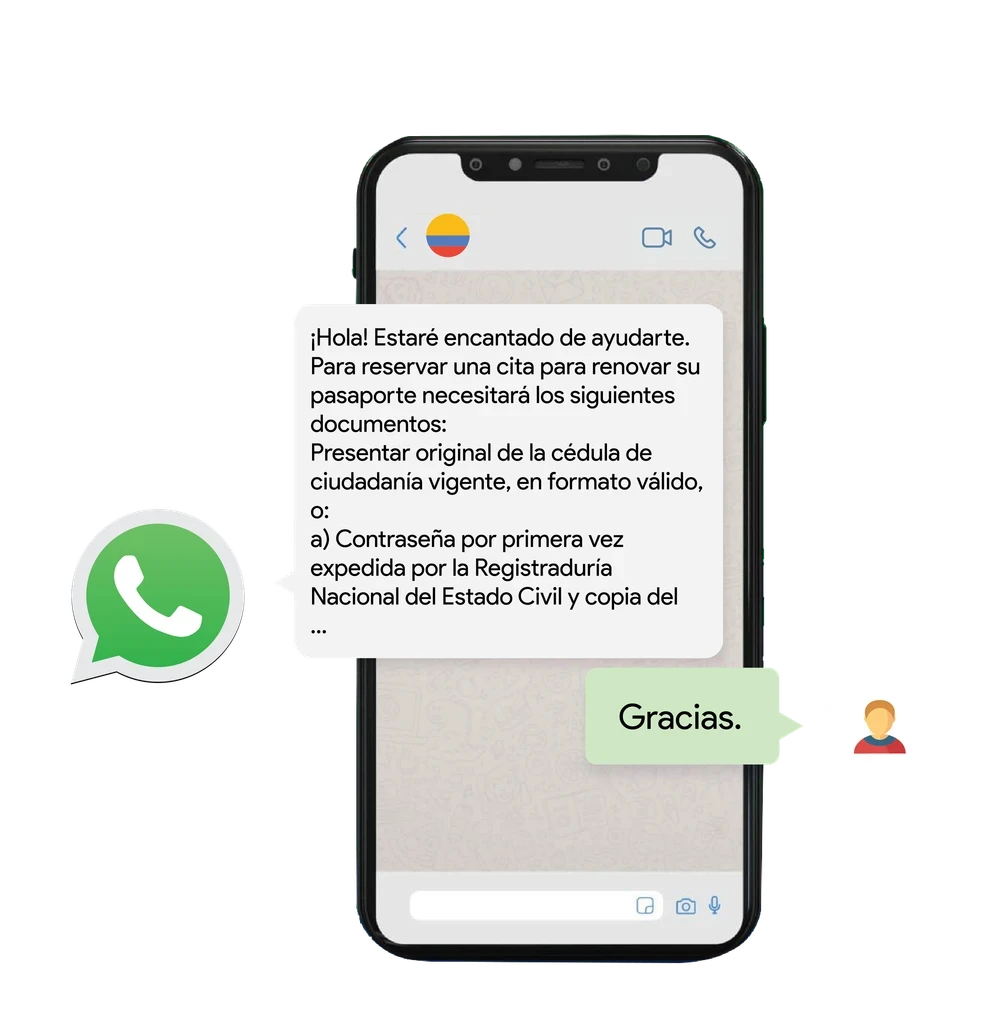
A WhatsApp-based assistant that replaced a chronically overwhelmed call center for the Colombian Consulate in Chicago — now serving more than twenty thousand users a year, cutting response times by thirty percent, and fully automating routine requests across two languages.
Role
Product Manager & Lead Developer
Tools
GPT-4 API
Flask
Twilio
WhatsApp API
Render
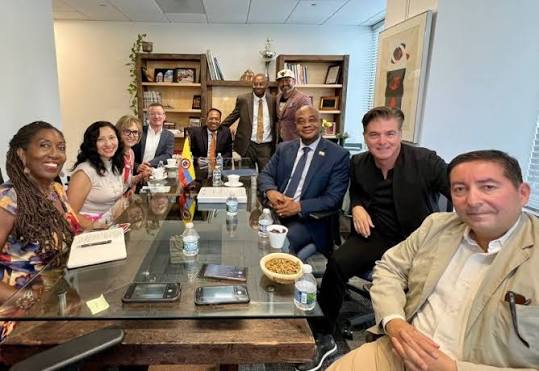
Stakeholder Research
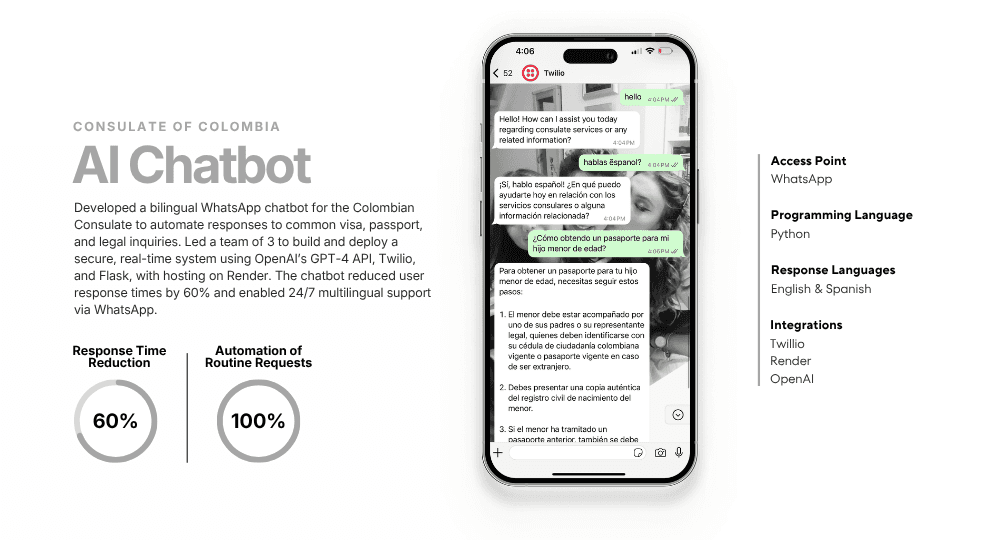
GPT-4 · Flask · Twilio
bilingual WhatsApp assistant
20,000+ users / year
30% faster responses, routine requests fully automated
Role
Product Manager & Lead Developer
Tools
GPT-4 API, Flask, Twilio WhatsApp API, Render
Focus Areas
Service Design, Conversational UX, Stakeholder Research, Usability Testing, Operations
System Architecture
Overview
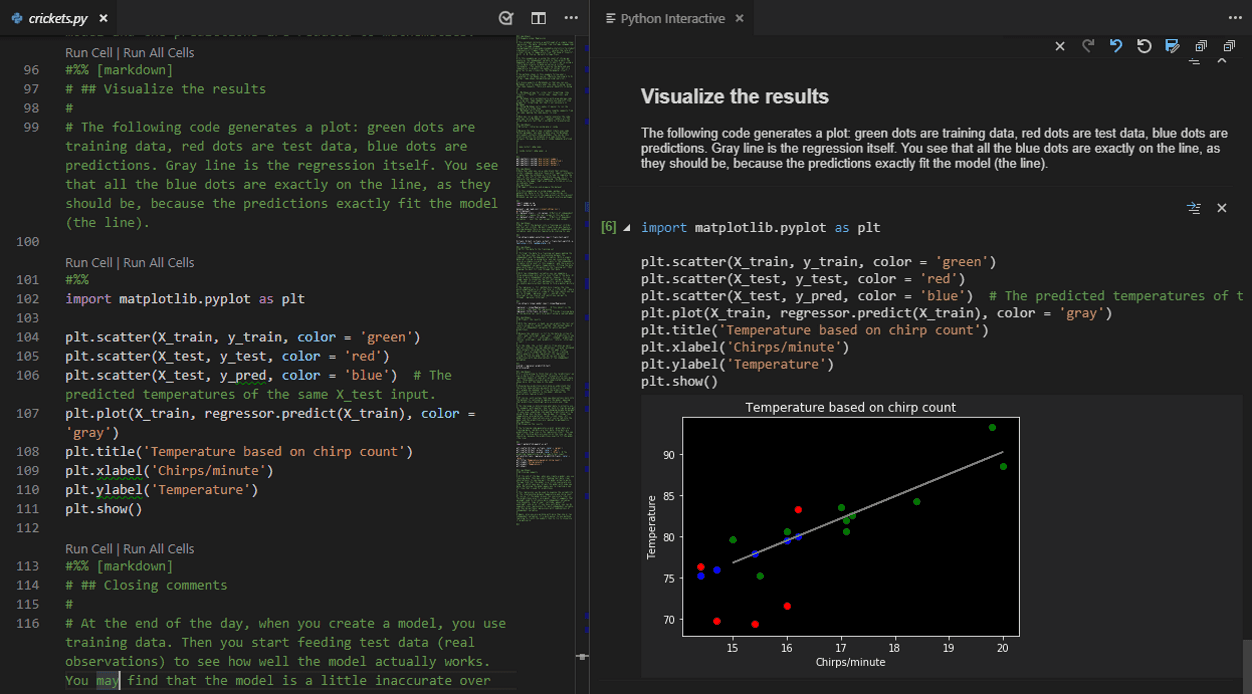
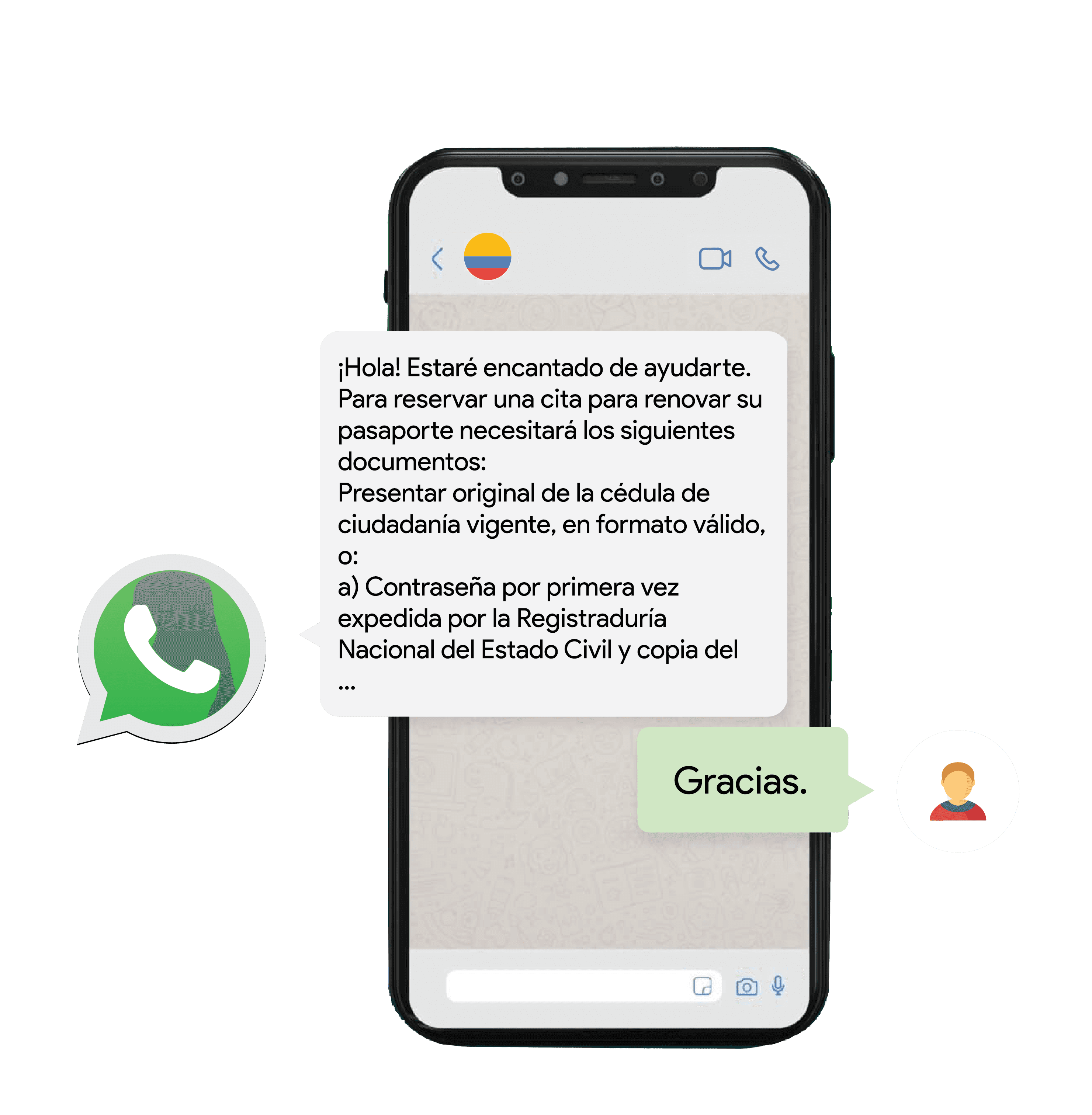
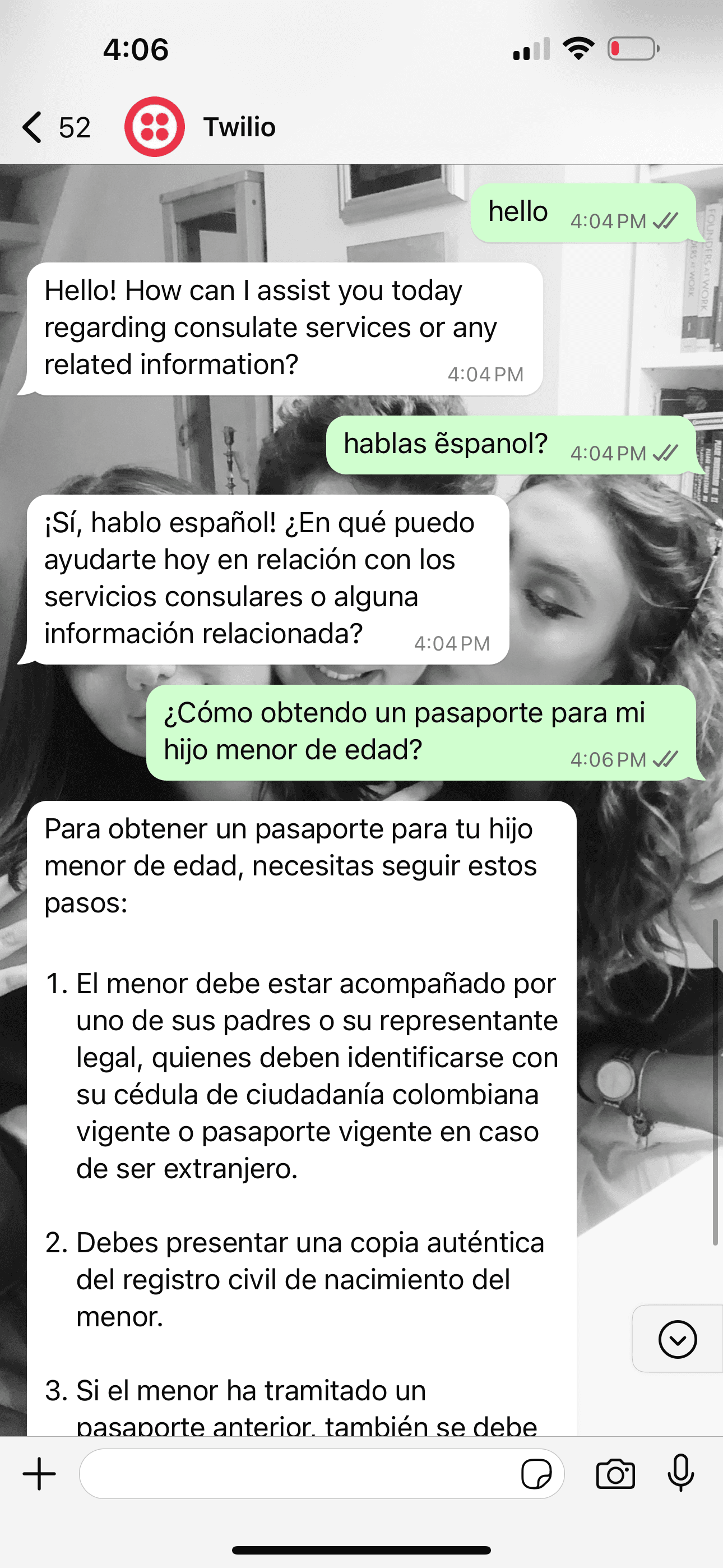
Consulate AI replaces a chronically overwhelmed call center with a WhatsApp-based assistant that now serves more than twenty thousand users a year for the Colombian Consulate in Chicago, cutting response times by thirty percent and fully automating routine information requests across two languages. Serving as Product Manager and Lead Developer meant first correctly diagnosing the failure mode before writing a single line of code: the consulate was not struggling with technical complexity but with sheer repetition, the same handful of questions, the same appointment logistics, the same documentation requirements, asked and mishandled thousands of times over by people who kept arriving unprepared and leaving frustrated. Interviews with consulate staff and consultants surfaced the exact shape of that repetition, which then became the architecture for a system built on the GPT-4 API, routed through Flask, and delivered over WhatsApp via Twilio, a channel chosen precisely because it required nothing new of the people using it. The rollout moved through sandbox prototyping, usability testing with real consulate visitors, staff training, and documentation before reaching full production, a sequence that treated the technology as the easy part and the operational integration as the real engineering challenge.
Motivation, Ethos & Inspiration
The design ethos rejected the reflexive instinct to build another web portal in favor of meeting people on the channel they had already installed, already trusted, and already knew how to use. Nothing to install, no account to create, no interface to learn: the argument here is that accessibility is not a feature bolted onto a system but the precondition for whether an institution can actually be reached by the public it serves. Reframing a communications bottleneck as an operations problem, rather than a purely technical one, is what let the automation solve the right thing.
Tools, Skills & Software
Built on the GPT-4 API for natural language handling, Flask for backend logic, and the Twilio-powered WhatsApp API for delivery, deployed on Render. The build moved through stakeholder interviews, system architecture, and sandbox prototyping, then usability testing, staff training, and documentation before reaching full production.
Harriet Fisher
Made with love.